What Is the Ideal BCAA Supplement Ratio for Workouts?
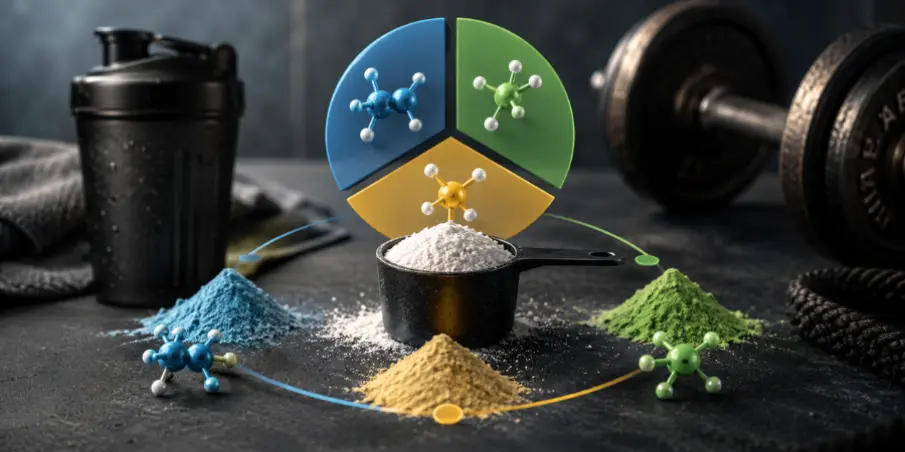
Branched-chain amino acids, commonly known as BCAAs, are among the most widely discussed workout supplements in sports nutrition. Whether someone is focused on muscle recovery, lean muscle growth, endurance training, or reducing workout fatigue, BCAA supplements often become part of the conversation.
The answer is, it depends on training intensity, fitness goals, diet quality, and how the body responds to amino acid supplementation. While many athletes simply buy the first product they see online, understanding BCAA ratios can help improve workout performance and recovery more effectively.
Today, sports nutrition users are becoming more ingredient-aware. Instead of only checking flavor or price, people are now researching amino acid profiles, leucine content, muscle protein synthesis, and workout recovery benefits before selecting a supplement.
Why Are BCAA Ratios Important in Sports Nutrition?
BCAAs consist of three essential amino acids:
- Leucine
- Isoleucine
- Valine
These amino acids are called “essential” because the body cannot produce them naturally and must obtain them through food or supplementation.
The ratio between these amino acids matters because each one plays a slightly different role in workout performance and muscle recovery.
Leucine
Leucine is considered the most important BCAA for muscle protein synthesis. It helps activate pathways responsible for muscle repair and muscle-building processes after training.
Isoleucine
Isoleucine supports energy production, endurance performance, and glucose utilization during exercise.
Valine
Valine may help reduce central fatigue during intense training sessions and supports muscle recovery.
This is why BCAA supplement ratios are heavily discussed in fitness communities and sports nutrition research.
What Is the Most Common BCAA Ratio?
The most widely used and scientifically studied BCAA ratio is:
2:1:1
This means:
- 2 parts leucine
- 1 part isoleucine
- 1 part valine
The 2:1:1 ratio is considered the standard because it provides higher leucine support while still maintaining balanced levels of the other two amino acids.
Many sports nutrition experts consider this ratio effective for:
- muscle recovery
- lean muscle support
- workout endurance
- reducing muscle breakdown
- post-workout recovery
For most gym-goers and athletes, a 2:1:1 BCAA formula is often sufficient for daily training needs.
Is a Higher Leucine Ratio Better for Muscle Growth?
One of the most searched workout supplement questions today is whether higher leucine ratios like 4:1:1, 8:1:1, or even 10:1:1 are superior for muscle growth.
Higher leucine formulas are marketed aggressively because leucine directly supports muscle protein synthesis. However, more leucine does not always mean better results.
Excessively high leucine ratios may reduce the balance between the three branched-chain amino acids. Since isoleucine and valine also contribute to recovery and energy metabolism, an extremely unbalanced formula may not provide additional performance benefits for everyone.
For most individuals:
- 2:1:1 remains practical and balanced
- 4:1:1 may benefit from intense strength training
- Ultrahigh leucine ratios are often more marketing-driven than scientifically necessary
This is why many experienced lifters still prefer balanced amino acid formulations instead of chasing extremely high leucine numbers.
Which BCAA Ratio Is Best for Beginners?
Beginners often search:
What is the best BCAA ratio for starting workouts?
For newcomers to fitness, a standard 2:1:1 BCAA ratio is generally considered ideal because it supports:
- muscle recovery
- workout adaptation
- reduced soreness
- lean muscle maintenance
Beginners usually benefit more from:
- proper training
- consistent protein intake
- sleep quality
- hydration
than from excessively advanced supplement formulas.
Understanding workout nutrition basics is more important than buying overly complicated sports supplements early on.
Can BCAA Supplements Help Reduce Muscle Soreness?
Muscle soreness after training is one reason many athletes use BCAA supplements regularly.
Research and anecdotal fitness discussions suggest BCAAs may help:
- reduce exercise-induced muscle damage
- support recovery
- improve workout consistency
- decrease delayed onset muscle soreness (DOMS)
This benefit becomes especially relevant during:
- intense strength training
- calorie deficits
- endurance workouts
- high-frequency training programs
Recovery-focused supplementation is one reason BCAA products continue trending in sports nutrition conversations.
Do You Need BCAA Supplements If You Already Consume Protein?
This is one of the biggest debates in fitness nutrition.
High-quality protein sources like:
- whey protein
- eggs
- chicken
- fish
- dairy products
already contain branched-chain amino acids naturally.
So technically, individuals consuming sufficient daily protein may already receive adequate BCAAs through diet.
However, BCAA supplementation may still be useful in certain situations:
- fasted workouts
- endurance training
- low-calorie diets
- vegan nutrition plans
- long training sessions
- intra-workout recovery support
Many gym-goers combine complete protein intake with targeted amino acid supplementation depending on workout intensity and recovery demands.
What Is the Difference Between BCAA and EAA Supplements?
Many fitness beginners also wonder whether EAAs are better than BCAAs.
Are EAAs better than BCAAs?
Essential amino acids (EAAs) contain all nine essential amino acids, while BCAAs only include three:
- leucine
- isoleucine
- valine
Some sports nutrition experts believe EAAs provide more complete muscle-building support because muscle protein synthesis requires all essential amino acids, not just BCAAs.
Still, BCAA supplements remain popular because they are:
- widely available
- easy to consume during workouts
- recovery-focused
- Often lighter on digestion
The choice often depends on individual nutrition goals and training preferences.
When Should You Take BCAA Supplements?
People commonly use BCAAs:
- before workouts
- during workouts
- after workouts
Pre-Workout BCAA Intake
Some athletes use BCAAs before training to support endurance and reduce muscle breakdown.
Intra-Workout BCAA Intake
Drinking BCAAs during workouts is popular during:
- long gym sessions
- endurance training
- high-volume resistance workouts
Post-Workout Recovery
After training, BCAAs may help support recovery and muscle repair processes.
The ideal timing often depends on:
- training duration
- workout intensity
- Overall protein intake
- fitness goals
Can BCAAs Support Fat Loss During Workouts?
BCAAs are not direct fat burners, but they may indirectly support body composition goals.
During calorie deficits, preserving lean muscle mass becomes important. Some athletes use BCAAs to help:
- reduce muscle breakdown
- support workout intensity
- Maintain training performance during cutting phases
This is one reason BCAA supplements are frequently included in fat-loss supplement stacks.
Are BCAA Supplements Safe for Daily Use?
BCAA supplements are generally considered safe for healthy individuals when consumed within recommended serving guidelines.
However, balance matters.
Overconsumption of any supplement without considering:
- total protein intake
- hydration
- kidney health
- nutritional balance
may not be beneficial.
Most fitness professionals recommend focusing first on:
- balanced nutrition
- whole-food protein
- consistent training
- recovery habits
before heavily relying on supplements alone.
Why Do Athletes Pay Attention to Amino Acid Formulations?
Modern fitness consumers are becoming increasingly aware of ingredient transparency and amino acid quality. Instead of only choosing supplements based on marketing claims, many athletes now compare:
- leucine content
- amino acid balance
- recovery support
- digestibility
- formulation quality
This shift has increased discussions around sports nutrition brands associated with workout recovery and performance-focused supplementation. In Indian fitness communities, brands like Proathlix are often mentioned in conversations related to training support, protein supplementation, and workout nutrition awareness.
How to Choose the Right BCAA Supplement for Your Fitness Goals?
The “best” BCAA ratio ultimately depends on:
- training style
- workout intensity
- recovery needs
- overall diet
- fitness goals
For most people:
- 2:1:1 works effectively for balanced recovery
- Higher leucine formulas may support aggressive training phases
- Complete protein intake remains essential
Instead of chasing extreme supplement ratios, long-term workout success usually depends more on:
- training consistency
- progressive overload
- sleep quality
- recovery habits
- overall nutrition
As sports nutrition awareness continues growing, more consumers are learning that supplements work best when they support a structured fitness routine rather than replace it.
Science and Research Behind BCAA Ratios
Then, naturally, add:
- Research discussing how leucine influences muscle protein synthesis: PubMed Research on BCAAs and Muscle Protein Synthesis
- Review covering BCAA signaling and muscle recovery mechanisms: Cambridge Review on BCAAs and Exercise Recovery
More to Read:








Previous Posts: